Design Patterns in Real-World Applications
05 Dec 2024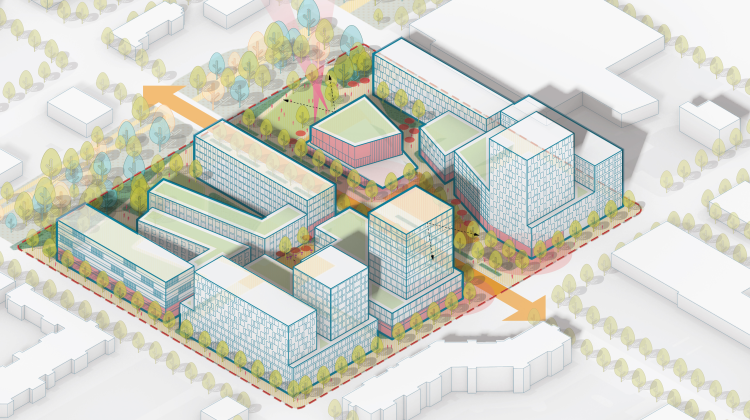
Imagine you’re in charge of designing a city. At first glance, everything is a mess. Then, as the city grows, patterns start to appear - street grids, park layouts, and large buildings. This is where design patterns come into play.
What are design patterns?
A design pattern is a general, reusable solution of how to solve a common problem when you’re designing an application. They are like blueprints for building things. They save time because someone already figured out the best way to solve the problem - we simply use them in our own project.
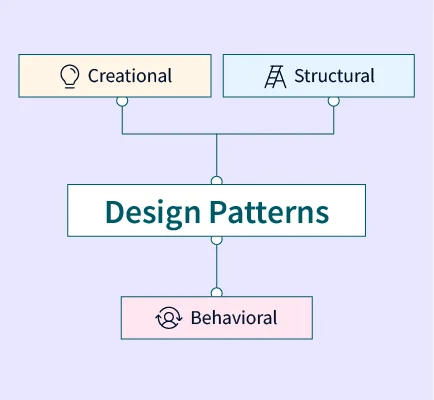
There are several different types of design patterns: Creational, Structural, and Behavioral.
Seeing it in Action
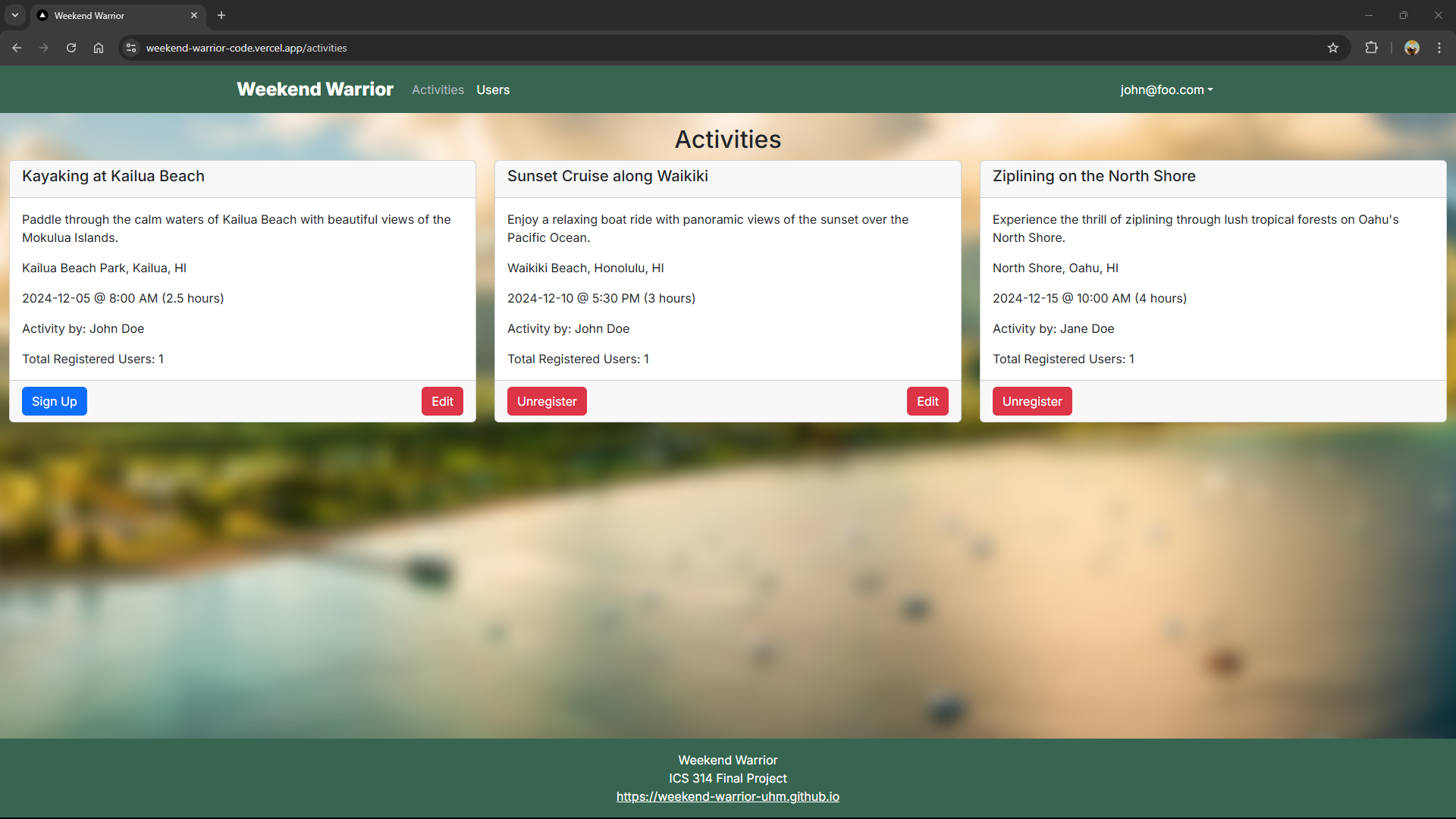
Weekend Warrior is the website our team made for the final project for my Software Engineering class. It was designed for fellow college students and locals to easily find similar interests and activities for the weekend.
Singleton Pattern:
The Singleton pattern acts as the application’s database, making sure there’s only one source of data collection. When someone registers for an account or activity, their information gets inputted into the database. Having multiple databases is not reasonable in this situation. We wouldn’t want to have a database for each user.
Observer Pattern:
When a user clicks on the “sign up” button, the selected activity gets updated and shows the number of users who are registered for that given activity.
Conclusion
In software development, chaos is always a risk. Without structure, code becomes very hard to manage. Design patterns bring order to the chaos, allowing developers to handle complex systems with clarity. By understanding and applying design patterns, my final project has become a fully-functioning, polished application.